



What Is STOKE?
STOKE is a multi-nut & seed butter optimized for athletic performance and nutrient density. STOKE’s key advantage is deriving its comprehensive nutrient profile from whole-food ingredients, delivering vitamins, minerals, and bioactive compounds within their natural food matrices to support bioavailability and absorption. STOKE was created by two professional runners who were unsatisfied with the limited nutritional profile of their pre-run peanut butter and wanted an alternative that was optimized to fuel their training and long term health.
Why STOKE?
STOKE was created with a simple goal: optimize nut butter for athletic performance and nutrient density using whole-food ingredients.
Instead of chasing trends, using buzzwords, or making bold performance promises built on thin science, STOKE is built around nutritional fundamentals. Each formula is built from a diverse combination of nuts, seeds, and other complementary whole foods to create a naturally broad nutrient profile of vitamins, minerals, and bioactive compounds delivered in the forms they naturally occur in food.
Because the nutrients in STOKE come directly from whole foods, they exist within their natural food matrices alongside fats, fibers, bioactive compounds, and cofactors that influence digestion and absorption. That context matters. It’s how the body is designed to recognize and use nutrients.
The goal of STOKE isn’t to promise miracles or quick fixes. It’s simply to create athletic performance focused, highly nutrient-dense products made from whole-food ingredients that fuel the journey of those looking to get better every day. STOKE is designed for people who care about what they eat and why it matters.
No Synthetic Ingredients. No Isolates. No Gimmicks.
Just Real Food, Intentionally Formulated.
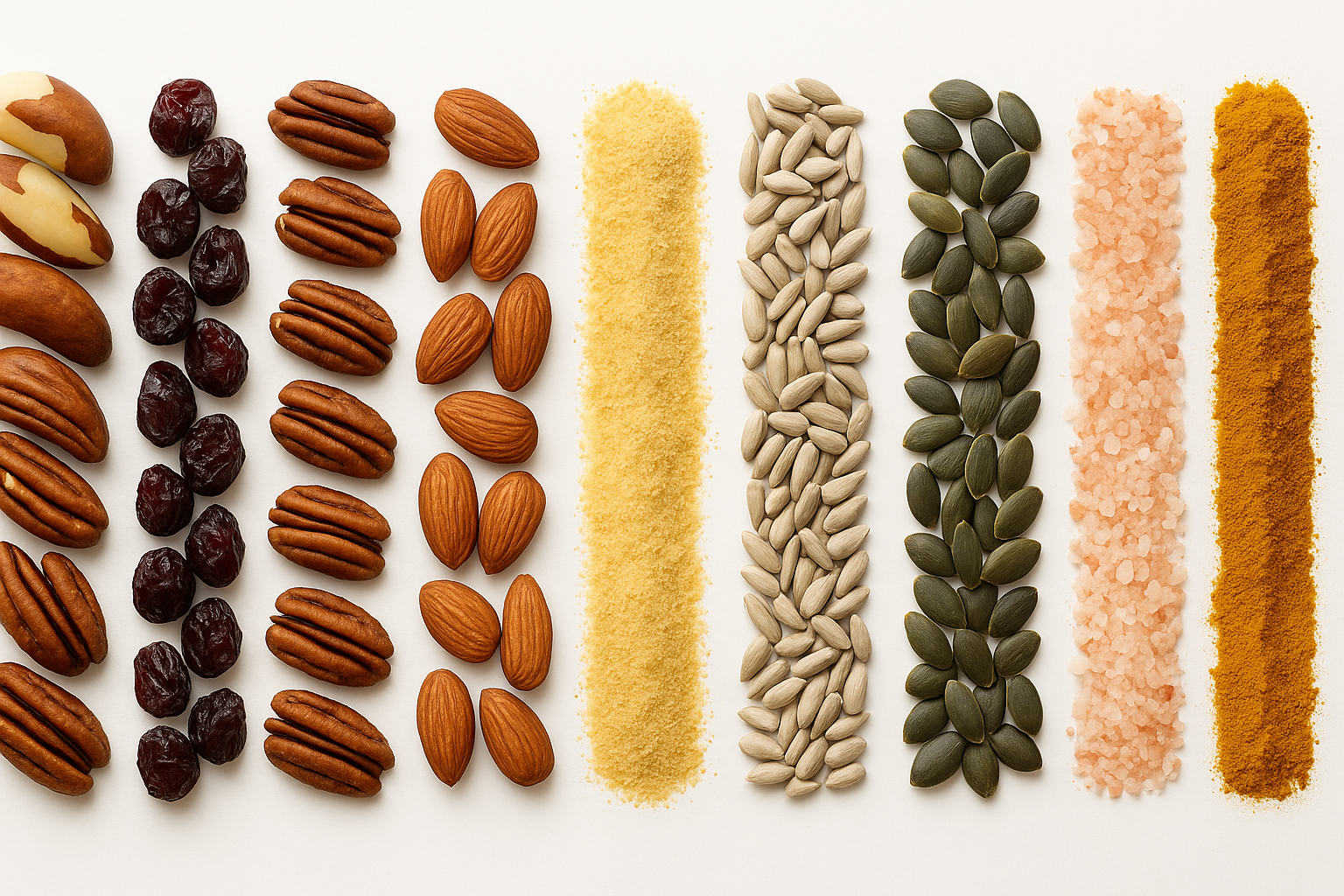
Cashews
High in copper and iron to support energy and blood health, magnesium to support muscle function and recovery, manganese to support bone health, polyphenols and carotenoids which serve as antioxidants, and protein.
Brazil Nuts
High in selenium to support proper thyroid function and energy metabolism, zinc to support immune function, magnesium, and copper. Brazil Nuts have also been shown to increase glutathione peroxidase to protect against cell damage.

Almonds
High in vitamin E to help protect cells from oxidative damage, magnesium, polyphenols, iron, and protein. Almonds also contain quercetin which have been shown to clear senescent cells.
Pumpkin Seeds
Contain Vitamin E, magnesium, zinc, copper, and iron. Pumpkin seeds also contain carotenoids that have antioxidant properties.
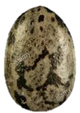
Chia Seeds
Contain Chlorogenic acid (an antioxidant that may lower blood pressure), Caffeic Acid to protect against cell damage, Kaempferol (an antioxidant), Quercetin, ALA omega 3, magnesium, and protein. Chia Seeds have also been shown to help reduce inflammation marker hs-CRP.
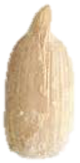
Sunflower Seeds
High in vitamin E and selenium as well as phenolic acids and flavonoids which have antioxidant properties.

Tart Cherries
Loaded with antioxidants, electrolytes, and cell protecting compounds. The Anthocyanins and phenolic acids in Tart Cherries increase blood flow and the production of Nitric Acid, both of which have been shown to improve cardiovascular output. These compounds also reduce exercise-induced oxidative stress, speeding up muscle recovery. Natural melatonin in tart cherries enhances sleep efficiency and duration, critical for overnight repair. Potassium and magnesium in tart cherries help restore electrolyte balance lost through sweat, supporting optimal muscle function and reducing cramping.

Turmeric
Contains a compound named curcumin which has been shown to have powerful anti-imflammatory effects, boost brain derived neurotropic factor (a protein shown to support attention, learning, and memory, and fight against depression and Alzheimer’s disease in the brain), support cardiovascular health, and increase the antioxidant capacity of the body. Turmeric comes in numerous varieties. Madras turmeric is the most widely distributed variety of turmeric and contains a curcumin percentage of roughly 3%. STOKE contains Alleppey turmeric, a less common variety of turmeric with a curcumin percentage of roughly 5%.

Egg Yolk Powder
Egg yolks are rich in choline for neuromuscular signaling, vitamin A for vision, and B12 for red blood cell production. They provide lutein and zeaxanthin to protect against exercise-induced oxidative stress in the eyes. Egg yolks contain dietary cholesterol that may raise HDL and shift LDL to a larger, less atherogenic subtype, supporting cardiovascular health. The Omega-3 in egg yolks has been shown to lower triglycerides, aiding metabolic efficiency.
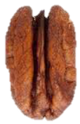
Pecans
Good source of copper, Thiamine (Vitamin B1), and zinc. Pecans are also high in monounsaturated fatty acids which have been linked to proper heart health.

Nutritional Yeast
High in B vitamins which support energy production and blood health, molybdenum which supports the processing of waste products and toxins, manganese which has antioxidant effects, zinc, and selenium. Nutritional yeast also contains two powerful antioxidants: glutathione and selenomethionine.
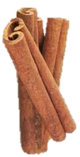
Cinnamon
Contains iron, magnesium, phosphorus, calcium, and polyphenols. Cinnamon also contains E-cinnamaldehyde and o-methoxycinnamaldehyde which are compounds linked to cell protection.

Avocado Oil
Rich in monounsaturated fatty acids, primarily oleic acid, along with carotenoids, tocopherols (vitamin E), and plant sterols. This lipid profile supports cardiovascular function, eye health, and skin integrity, while enhancing the bioavailability of fat-soluble vitamins and carotenoids from whole foods. Its antioxidant content also helps protect lipids and tissues from oxidative stress, making avocado oil a functional dietary fat for long-term metabolic and cellular health.

Pink Himalayan Salt
Pink Himalayan salt is an unrefined form of sodium chloride containing trace elements such as calcium, potassium, magnesium, and iron. These minerals are essential cofactors in physiological processes relevant to athletic performance, including osmotic regulation, nerve conduction, and skeletal muscle excitation-contraction coupling.

Honey
Rapid source of glucose and fructose, supporting glycogen replenishment and sustained energy during prolonged exercise. Rich in polyphenols and flavonoids, honey exhibits antioxidant and antimicrobial properties that have been shown to reduce exercise-induced oxidative stress, enhance immune defense, and promote tissue repair. Its low-to-moderate glycemic response makes it a functional carbohydrate option for endurance athletes.